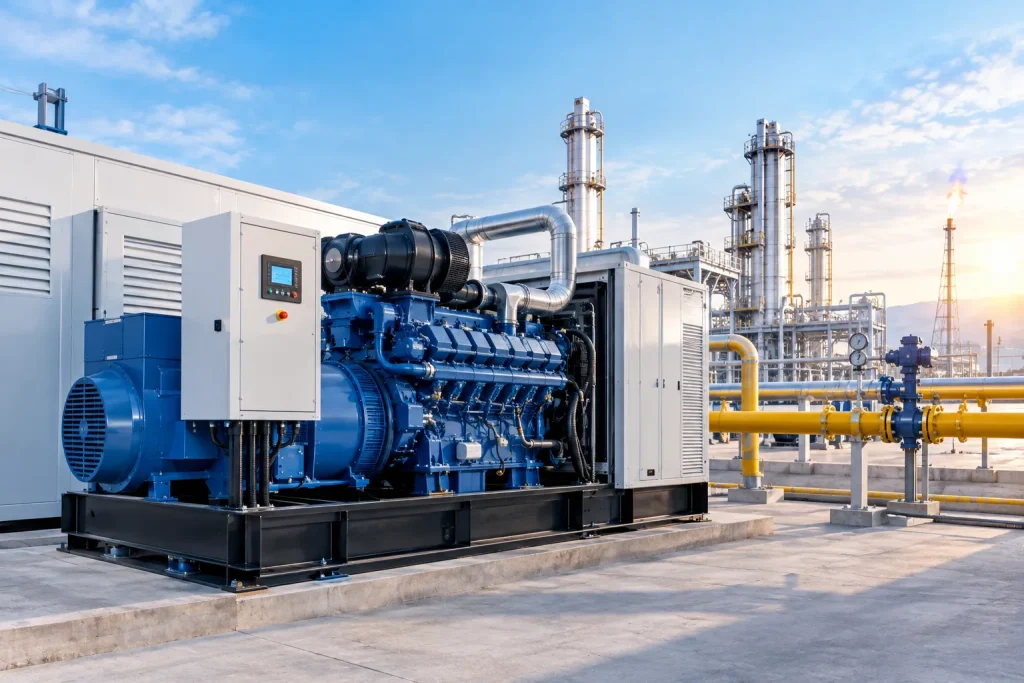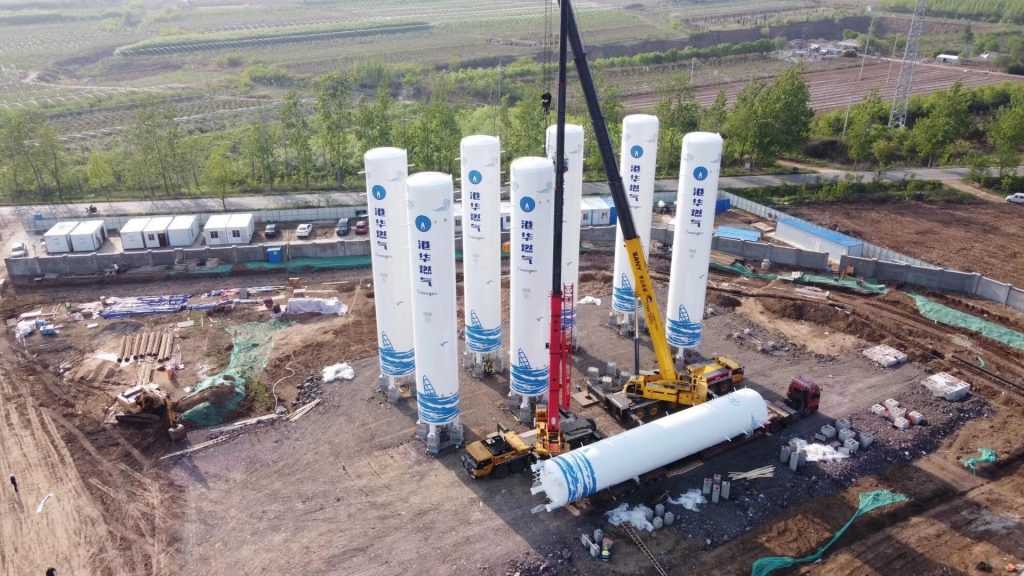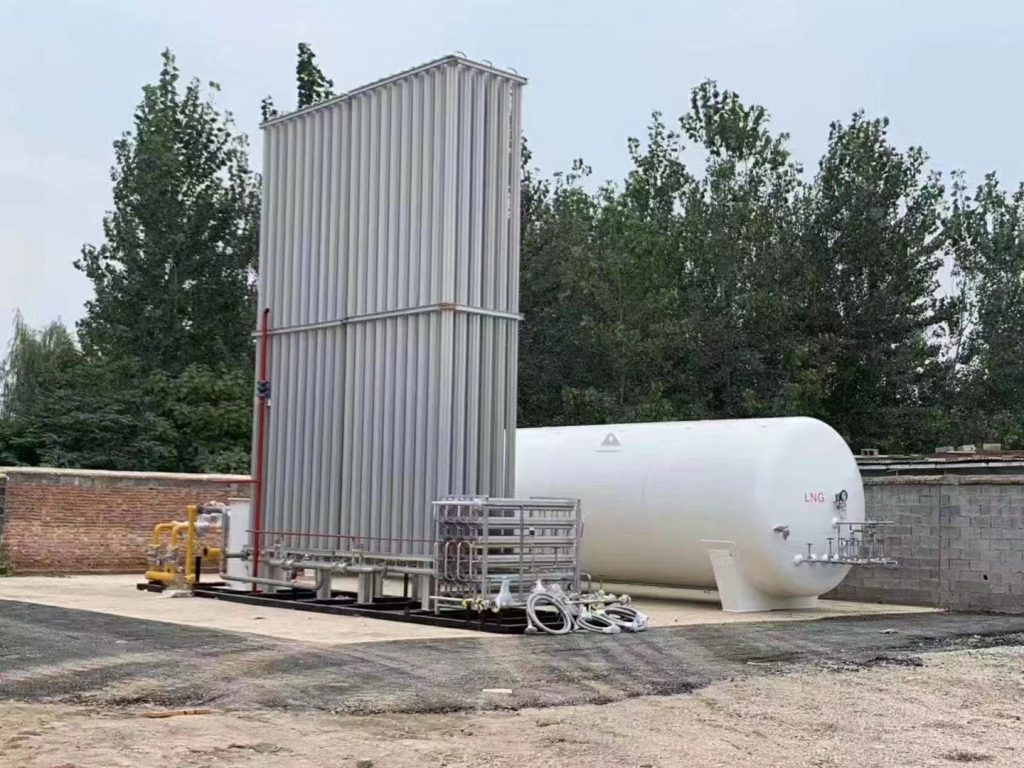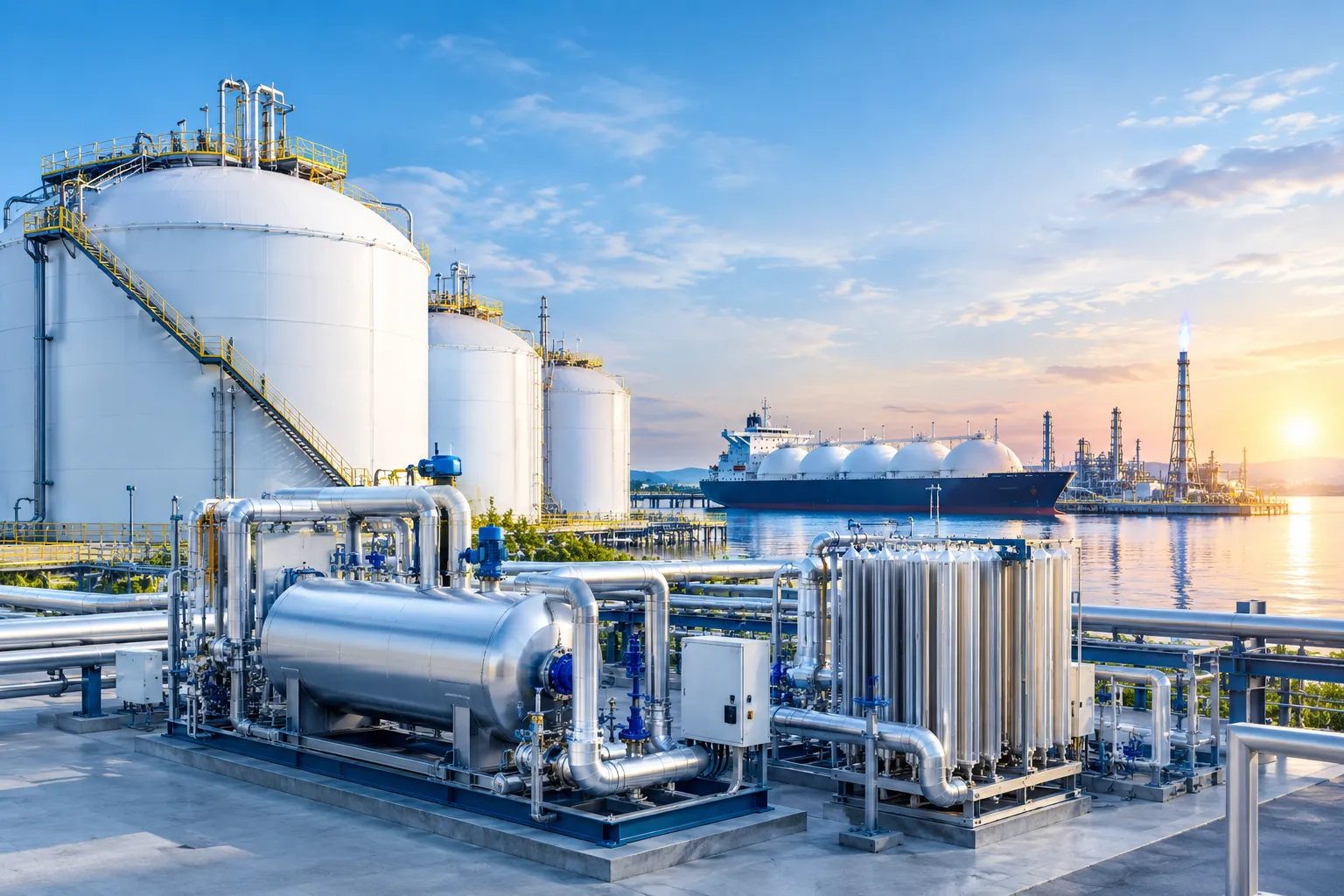
The demand for reliable gas storage and distribution systems is increasing as industries look for flexible and efficient energy solutions. LNG and cryogenic equipment play an important role in storing, transporting, vaporizing, and supplying liquefied gases for industrial applications. Equipment such as cryogenic storage tanks, ambient air vaporizers, LNG ISO tank containers, and pressure regulation systems helps create an organized gas supply system for different project requirements.
Modern industrial facilities need equipment that can operate under demanding temperature and pressure conditions while supporting safe and consistent gas delivery. Selecting the appropriate equipment requires consideration of the gas type, storage capacity, operating pressure, flow requirements, installation environment, and applicable technical standards.
What Is Driving Demand for Cryogenic Equipment?
Cryogenic technology is used for handling gases that need to be stored or transported at very low temperatures. LNG, liquid nitrogen, liquid oxygen, liquid argon, and other liquefied gases are used across energy, manufacturing, healthcare, food processing, chemical, metallurgy, electronics, and other industries.
As these applications expand, businesses require dependable equipment for each stage of the gas supply process. A complete system may include storage tanks, vaporizers, pressure regulation equipment, metering systems, transportation containers, pipelines, and safety components.
The increasing need for flexible gas infrastructure is making equipment selection an important consideration for new facilities as well as existing industrial projects.
How Do Cryogenic Storage Tanks Support Industrial Gas Supply?
A cryogenic storage tank provides controlled storage for liquefied gases at extremely low temperatures. Maintaining the required temperature is essential because heat entering the tank can cause the stored liquid to vaporize.
Vacuum insulated tank designs can help reduce heat transfer and maintain suitable storage conditions. The correct tank configuration depends on the stored medium, capacity, design pressure, operating pressure, installation location, and project specifications.
Businesses should also consider future gas consumption when determining storage capacity. Selecting a tank based only on current requirements may create limitations if production or gas demand increases later.
Why Are Ambient Air Vaporizers Important?
After a cryogenic liquid is taken from storage, it may need to be converted into gas before being supplied to downstream equipment. An ambient air vaporizer performs this function by using heat from the surrounding atmosphere.
Vaporizer selection depends on factors such as:
- Gas type
- Required flow rate
- Inlet temperature
- Outlet pressure
- Ambient temperature
- Operating conditions
- Installation requirements
Proper sizing helps ensure that the vaporizer can meet the required gas demand under the expected operating conditions. For industrial applications, the vaporizer should be considered as part of the complete gas supply system rather than as an isolated component.
What Role Does LNG Transportation Equipment Play?
LNG needs specialized equipment for transportation because it must remain at cryogenic temperatures during handling and transit. LNG ISO tank containers can provide a flexible solution for transporting LNG between suitable locations.
Their standardized container format can support different logistics requirements, including transportation by road, rail, or sea where permitted by applicable regulations.
When selecting LNG transportation equipment, businesses should review capacity, operating pressure, insulation performance, loading and unloading requirements, transportation regulations, and destination-market standards.
Why Is Pressure Regulation Important?
A cryogenic gas system needs controlled pressure before gas reaches many downstream applications. Once LNG or another liquefied gas has been vaporized, the resulting gas may need to pass through pressure reduction and metering equipment.
A PRMS skid can integrate pressure regulation and gas measurement functions into a compact system. Depending on the project, a PRMS configuration may include pressure regulators, meters, filters, valves, safety devices, and other components.
Proper pressure management helps provide controlled gas delivery and can support the operational requirements of industrial equipment connected to the gas supply system.
How Is Cryogenic Equipment Used Across Industries?
Cryogenic equipment has applications across a wide range of industries.
Energy and LNG:
LNG storage tanks, vaporizers, PRMS systems, and transportation equipment can support LNG storage and distribution.
Healthcare:
Medical facilities can require controlled supplies of gases such as oxygen and nitrogen.
Food Processing:
Cryogenic gases can be used in food processing, preservation, freezing, and packaging applications.
Manufacturing:
Industrial gases are used in processes involving welding, cutting, metal treatment, and other manufacturing operations.
Chemical and Industrial Processing:
Specialized gas storage and distribution systems can support different chemical and industrial processes.
Because each application has different requirements, cryogenic equipment should be selected according to the specific gas, capacity, pressure, flow rate, and operating environment.
What Should You Consider Before Buying Cryogenic Equipment?
Choosing cryogenic equipment requires more than comparing product prices. Businesses should evaluate the complete technical requirements of their project.
Important considerations include:
Gas Type
Identify the exact gas that will be stored, transported, or vaporized. Different gases have different physical and operating requirements.
Storage Capacity
Determine current and expected future consumption to select a suitable storage capacity.
Pressure Requirements
Check both operating and design pressure requirements for storage tanks, vaporizers, pipelines, and downstream equipment.
Environmental Conditions
Ambient temperature, installation location, available space, and weather conditions can influence equipment selection and performance.
Standards and Certifications
Confirm the standards, certifications, inspection requirements, and documentation required for the project and destination market.
Technical Support
Consider engineering assistance, installation guidance, commissioning, maintenance, spare parts, and after-sales technical support when choosing a supplier.
Why Is Customized Cryogenic Equipment Useful?
Not every industrial project can use exactly the same equipment configuration. Storage capacity, available space, operating pressure, flow requirements, and site conditions can vary significantly.
Customized cryogenic equipment can be configured according to project-specific technical requirements. Providing accurate information about the gas, capacity, pressure, application, and installation location allows equipment manufacturers to develop a more appropriate solution.
Customization can be particularly useful for projects that require specific dimensions, capacities, connection arrangements, pressure ratings, or system configurations.
What Is the Future of Cryogenic Gas Infrastructure?
The continued development of LNG distribution and industrial gas applications is creating demand for reliable cryogenic storage and handling systems. Businesses are increasingly looking at complete solutions that connect storage, vaporization, pressure regulation, transportation, and final gas delivery.
This system-based approach can help project teams consider the compatibility of individual components before equipment is manufactured or installed. It can also help businesses plan for future capacity requirements and operational changes.
For companies developing LNG facilities or industrial gas systems, selecting suitable cryogenic equipment at the planning stage can support a more organized project from equipment specification through installation and commissioning.
Frequently Asked Questions
1. What is cryogenic equipment used for?
Cryogenic equipment is used to store, transport, vaporize, regulate, and handle liquefied gases at very low temperatures. Common applications include LNG and industrial gases such as nitrogen, oxygen, and argon.
2. How do I select the right cryogenic storage tank?
Consider the gas type, required capacity, operating pressure, design pressure, insulation requirements, installation conditions, applicable standards, and expected gas consumption before selecting a tank.
3. What is an ambient air vaporizer?
An ambient air vaporizer converts cryogenic liquid into gas by using heat from the surrounding atmosphere. Its capacity should be selected according to the required gas flow and operating conditions.
4. What is a PRMS skid?
A PRMS skid is a pressure regulating and metering system designed to control gas pressure and measure gas flow. Its components and configuration can vary according to project requirements.
5. Can LNG and cryogenic equipment be customized?
Yes. Equipment can be configured according to factors such as gas type, storage capacity, operating pressure, flow rate, installation space, and project-specific technical requirements.
Get the Right Cryogenic Solution for Your Project
Planning an LNG, industrial gas, or cryogenic storage project? Contact the technical team to discuss your requirements for cryogenic storage tanks, ambient air vaporizers, LNG ISO tank containers, PRMS skids, and other cryogenic gas equipment.
Share your gas type, required capacity, operating pressure, application, and project location to discuss a suitable solution.
Call: +86 156 1021 6790
Email: znzhsales@126.com