Reliable power is important for industrial facilities, commercial operations, energy projects, and other applications where interruptions can affect daily operations. A natural gas generator can provide electricity by using natural gas as a fuel source, making it a practical option for facilities with access to a suitable natural gas supply.
Choosing the right generator requires more than selecting a power capacity. Factors such as gas pressure, electrical load, operating conditions, installation requirements, fuel availability, and maintenance should be evaluated before selecting a system. A properly planned natural gas generator installation can be integrated with the site’s existing gas and electrical infrastructure.
What Is a Natural Gas Generator?
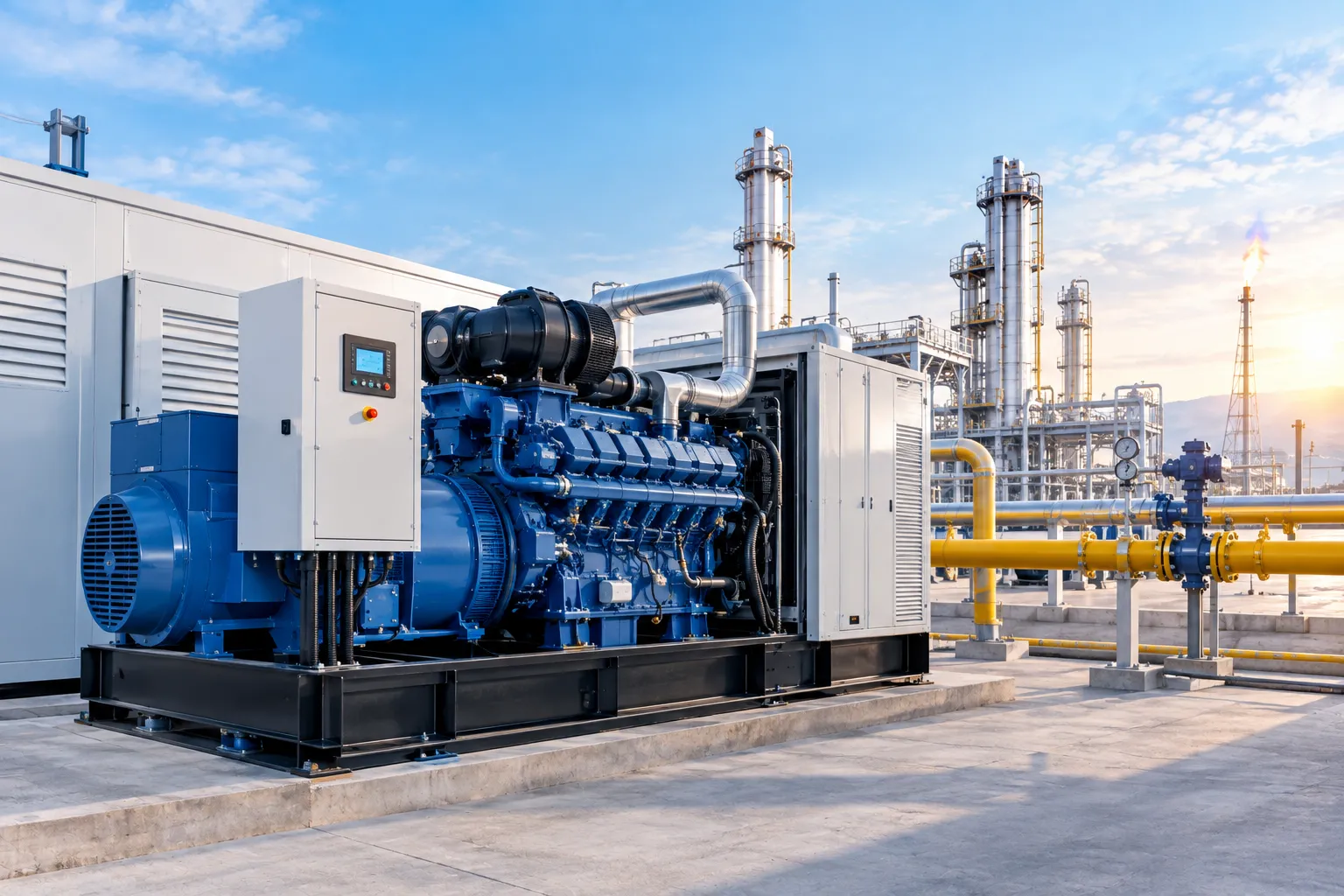
A natural gas generator combines an internal combustion engine with an alternator to produce electricity. Natural gas is supplied to the engine, where it is combusted to generate mechanical energy. The engine drives the alternator, which converts that mechanical energy into electrical power.
Natural gas generators can be configured for different applications and power requirements. Depending on the project, they may be used for standby power, prime power, or other distributed-generation applications.
The required generator capacity depends on the electrical loads that need to be supported. Understanding the facility’s actual load profile is therefore an important first step.
Why Is Natural Gas an Important Generator Fuel?
Natural gas can be useful for power generation where an appropriate gas supply is already available. Instead of relying on onsite diesel storage, a natural gas generator can be connected to a suitable gas distribution system.
However, fuel selection should be based on the specific project. Gas availability, pressure, supply reliability, local regulations, generator specifications, operating costs, and installation requirements should all be considered.
For projects involving gas infrastructure and power generation, coordination between the fuel supply system and generator is particularly important.
Where Can Natural Gas Generators Be Used?
Natural gas generators can support different types of facilities and applications.
Industrial Facilities
Manufacturing plants may require electricity for machinery, pumps, compressors, control systems, lighting, and other production equipment. A generator can be incorporated into the facility’s power strategy according to its load requirements.
Commercial Facilities
Commercial buildings may use natural gas generators as backup power for selected electrical loads or critical systems.
Energy Infrastructure
Gas and energy facilities can require dependable electricity for equipment such as pumps, controls, instrumentation, and other supporting systems.
Remote Applications
Where utility electricity is limited but a suitable natural gas supply is available, generator systems can be considered for distributed power applications.
How Do You Determine the Right Generator Capacity?
Generator capacity should be based on the electrical loads the system needs to support. Simply adding the rated power of individual machines may not provide an accurate picture of the required generator size.
Project teams should consider:
- Continuous electrical load
- Peak electrical demand
- Motor starting requirements
- Critical and non-critical loads
- Future expansion
- Required backup capacity
- Generator operating mode
Large motors, compressors, pumps, and other equipment may require additional starting power. These requirements should be considered during generator sizing.
Why Is Gas Pressure Important?
A natural gas generator requires an appropriate fuel supply to operate correctly. The available gas pressure and flow should match the generator manufacturer’s requirements.
If the site’s natural gas pressure is not suitable, additional gas regulation equipment may be required. A gas supply system can include components such as regulators, valves, filters, pressure gauges, and safety devices.
For this reason, the generator and gas supply should be evaluated as part of the same project rather than separately.
What about Generator Installation?
The installation environment can have a significant effect on generator operation. Space should be provided for the generator, fuel connection, electrical equipment, ventilation, exhaust arrangements, and maintenance access.
Other factors may include:
- Ambient temperature
- Ventilation
- Exhaust management
- Noise requirements
- Foundation requirements
- Electrical connections
- Gas pipeline connections
- Fire and safety requirements
- Maintenance accessibility
The installation should follow the manufacturer’s requirements and applicable local regulations.
Standby vs. Prime Power Applications
Natural gas generators can be used for different operating purposes.
Standby Power:
A generator can provide backup electricity when the primary utility supply becomes unavailable. The system may be connected to automatic transfer equipment to switch selected loads to generator power.
Prime Power:
For suitable applications, generators can operate as a primary source of electricity where the system is designed for this operating mode.
The generator specification, maintenance schedule, fuel supply, and control system should be selected according to the intended operating application.
How Does a Natural Gas Generator Connect With Other Gas Equipment?
Natural gas generators can form part of a wider gas and energy infrastructure. In some projects, natural gas may pass through pressure regulation and metering equipment before reaching the generator.
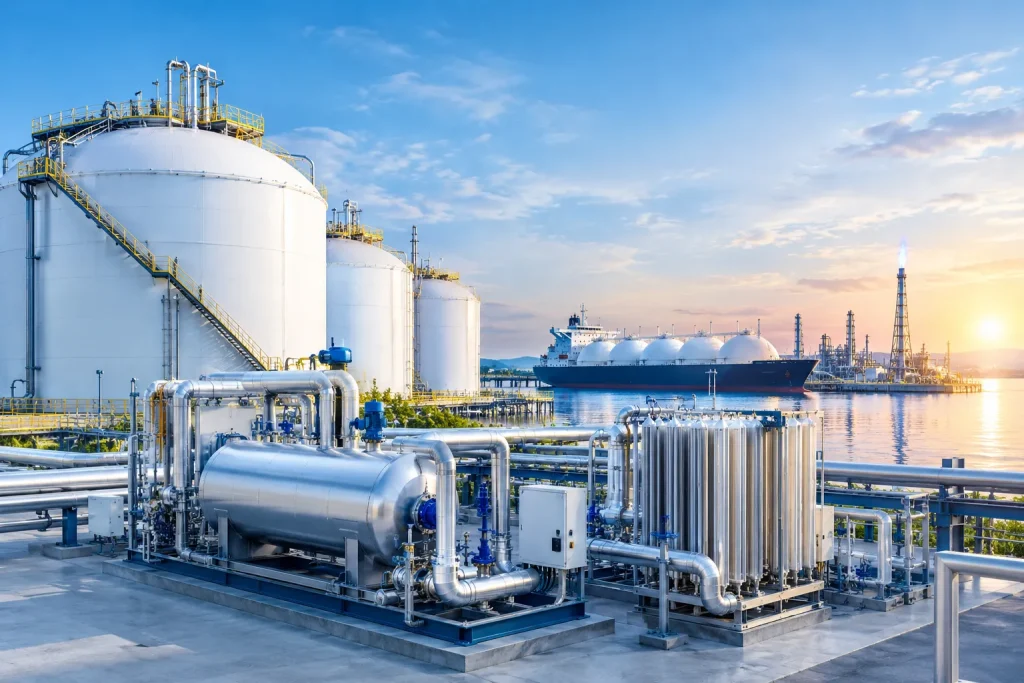
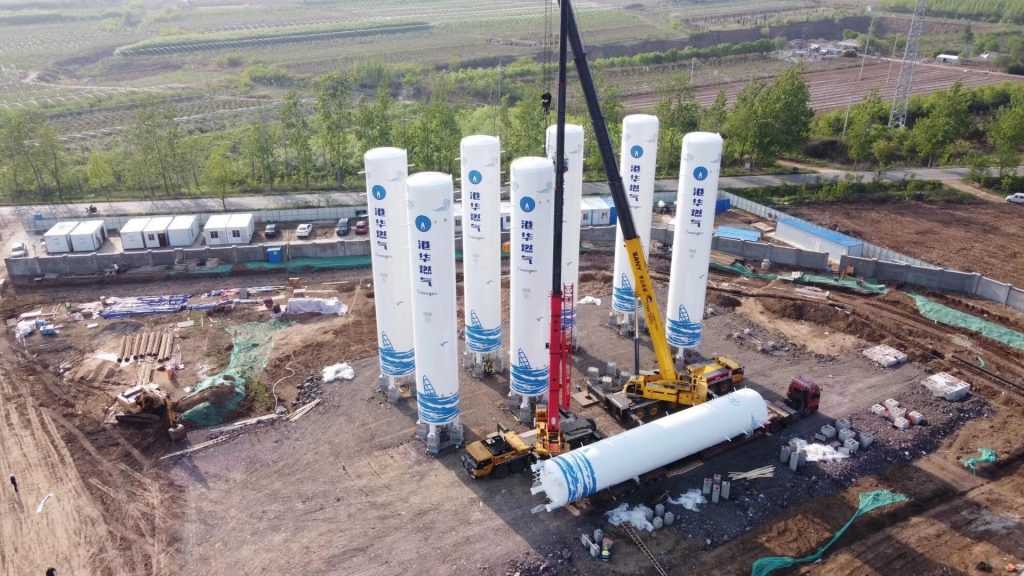
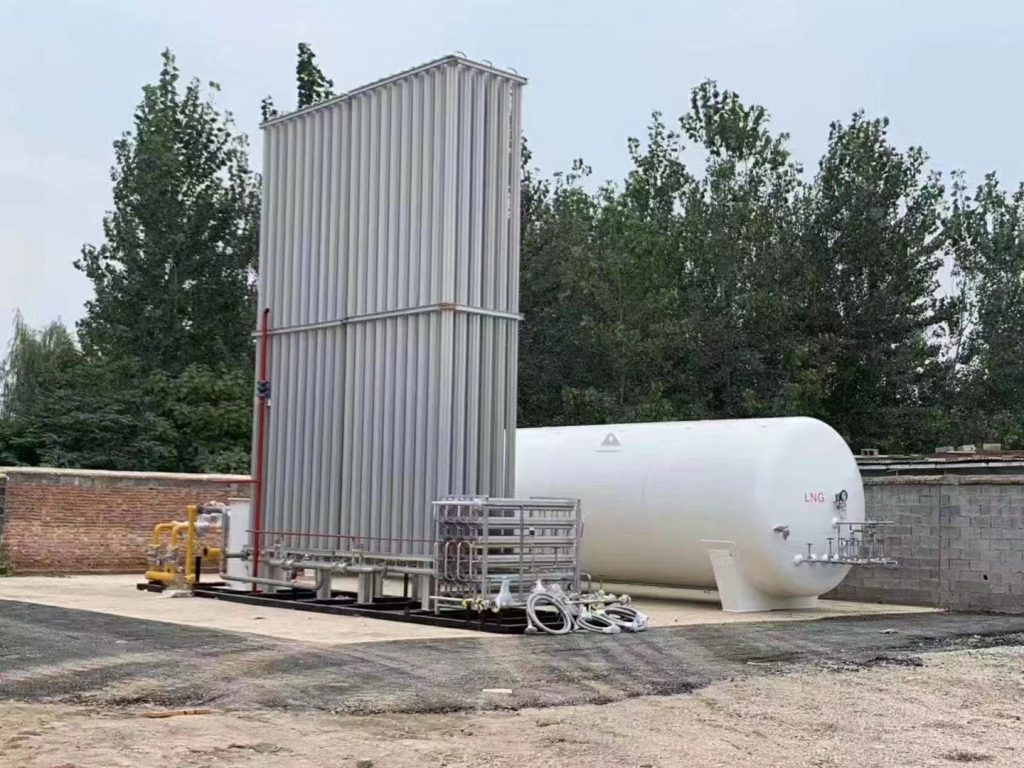
For facilities using LNG as a source of natural gas, the overall system can involve LNG storage, vaporization, pressure regulation, and gas distribution before the gas reaches the generator.
This makes equipment such as LNG storage tanks, ambient air vaporizers, and PRMS systems relevant to certain gas-to-power projects.
A properly coordinated system helps ensure that the gas supply matches the generator’s pressure and flow requirements.
What Maintenance Does a Natural Gas Generator Need?
Regular maintenance helps keep a generator operating according to its intended performance. Maintenance requirements depend on the generator model and operating conditions.
Typical maintenance activities may involve inspection of:
- Engine components
- Lubrication systems
- Cooling systems
- Spark or ignition components
- Filters
- Electrical connections
- Control systems
- Gas supply components
- Safety devices
Facilities that depend on backup power should also establish an appropriate testing and maintenance schedule so that the system remains ready when required.
How Should You Choose a Natural Gas Generator Supplier?
When selecting a natural gas generator supplier, businesses should evaluate more than the generator’s rated power.
Important considerations include:
- Generator specifications
- Gas supply compatibility
- Engineering support
- Customization options
- Control and monitoring systems
- Testing and documentation
- Installation support
- Spare parts availability
- Maintenance and after-sales service
For international projects, it is also important to confirm the certifications and technical standards required at the installation location.
Natural Gas Generators and Modern Industrial Energy Systems
Natural gas generators can be integrated into broader energy systems alongside utility electricity, renewable energy, energy storage, and other generation technologies.
The appropriate configuration depends on the site’s electricity demand, gas availability, operating schedule, and project objectives. A detailed assessment of both the electrical and gas infrastructure can help determine whether a natural gas generator is appropriate for the application.
For businesses planning a new installation or upgrading an existing power system, considering the generator, gas supply, controls, and electrical distribution together can help create a more coordinated solution.
Frequently Asked Questions
1. What is a natural gas generator used for?
A natural gas generator produces electricity using natural gas as fuel. It can be used for standby power, prime power, and other suitable industrial, commercial, and distributed-power applications.
2. How do I choose the right natural gas generator?
Consider the required electrical capacity, load profile, gas pressure, fuel availability, operating mode, installation conditions, maintenance requirements, and applicable standards.
3. Does a natural gas generator require a specific gas pressure?
Yes. The required gas pressure and flow depend on the generator and engine specifications. The available gas supply should be checked before installation.
4. Can a natural gas generator be used with an LNG system?
Yes, where the overall system is appropriately designed. LNG can be stored and vaporized before the resulting natural gas is regulated and supplied to the generator.
5. How can I maintain a natural gas generator?
Follow the manufacturer’s recommended maintenance schedule and regularly inspect engine, cooling, lubrication, ignition, electrical, gas supply, control, and safety components.
Get a Natural Gas Generator Solution for Your Project
Looking for a natural gas generator for an industrial, commercial, energy, or gas related project? Discuss your required power capacity, gas supply conditions, operating application, and installation requirements with the technical team.
Call: +86 156 1021 6790
Email: znzhsales@126.com